
New code changes prompt a framing upgrade from 2x4 to 2x6. What to make of it?
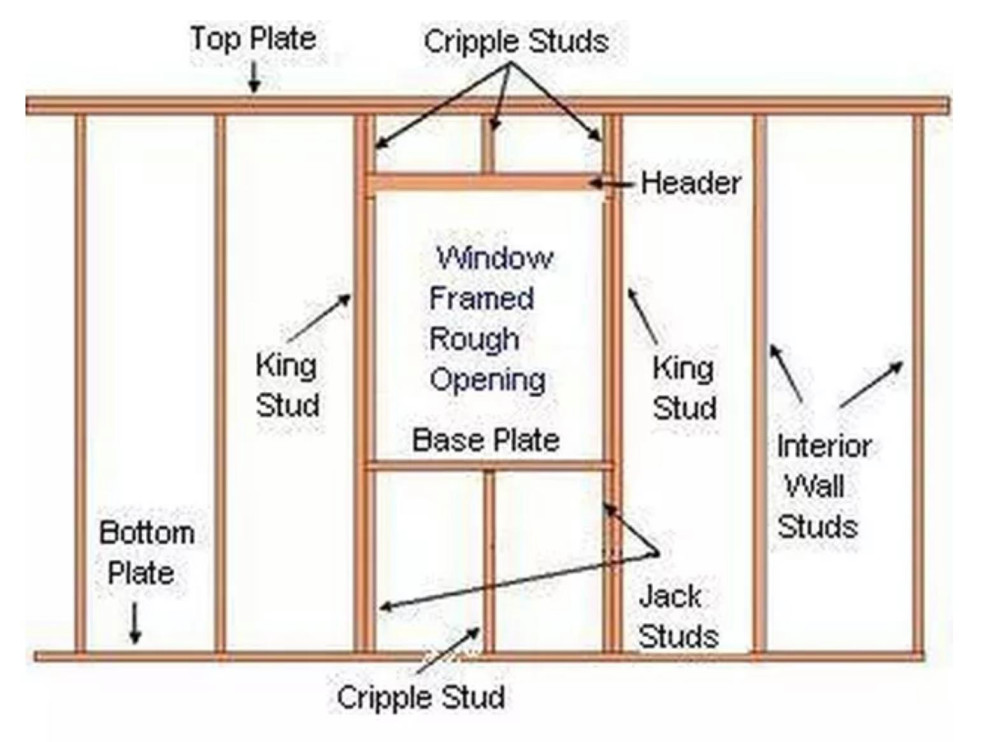
Many new clients are not happy about the new codes changes particularly because the changes in code add to the bottom dollar of construction costs, but this what you should know about going from 2x4 to 2x6 construction despite the cost factor. The practical difference between 2×4 vs 2×6 framing (assuming typical residential wood stud walls).
What actually changes:
Thickness + insulation space
• 2×4 wall: actual depth 3.5 in
o Common insulation: R-13 to R-15 fiberglass/mineral wool
• 2×6 wall: actual depth 5.5 in
o Common insulation: R-19 to R-23 (and more room for better assemblies)
Bottom line: 2×6 gives you noticeably better thermal and sound performance, mainly because it holds more insulation and can accommodate better detailing.
Strength / spanning
• Load-bearing walls: both can work; 2×6 is stiffer and offers more nailing surface.
• Taller walls / wind loads / heavy roof loads: 2×6 can help, but engineering and shear design often matter more than stud size alone.
• Headers, beams, and shear walls are usually the real drivers for strength, not just “2×4 vs 2×6”.
Cost + wall thickness implications
• 2×6 costs more (lumber + insulation + longer fasteners).
• Walls are 2 inches thicker, which affects:
o Window/door jamb depth and trim returns
o Corner details and siding returns
o Slight reduction in interior floor area (never much but you lose a little on each room)
o More forgiving cavity for plumbing/electrical
Energy code / comfort
• In colder climates or when pushing efficiency targets, 2×6 exterior walls are common because they make code compliance easier.
• In mild climates, 2×4 + exterior continuous insulation can outperform a plain 2×6 wall (because it reduces thermal bridging through studs).
The long and short of it boils down to this:
Choose 2×4 when:
• Interior non-load-bearing partitions
• Budget is tight and energy targets are standard
• You’re planning exterior continuous insulation anyway such as a fan fold insulation or rigid foam board
Choose 2×6 when:
• Exterior walls in cold/hot climates where comfort + energy matter
• You want more room for insulation and easier high-performance detailing
• You want better sound control (still requires good sealing, maybe spray foam, and or a thicker sheetrock)
Despite all of this being true consult with your builder or architect, he or she should be a solid source of information regarding what you should do it your climate zone of the US. And of course were always happy to help!